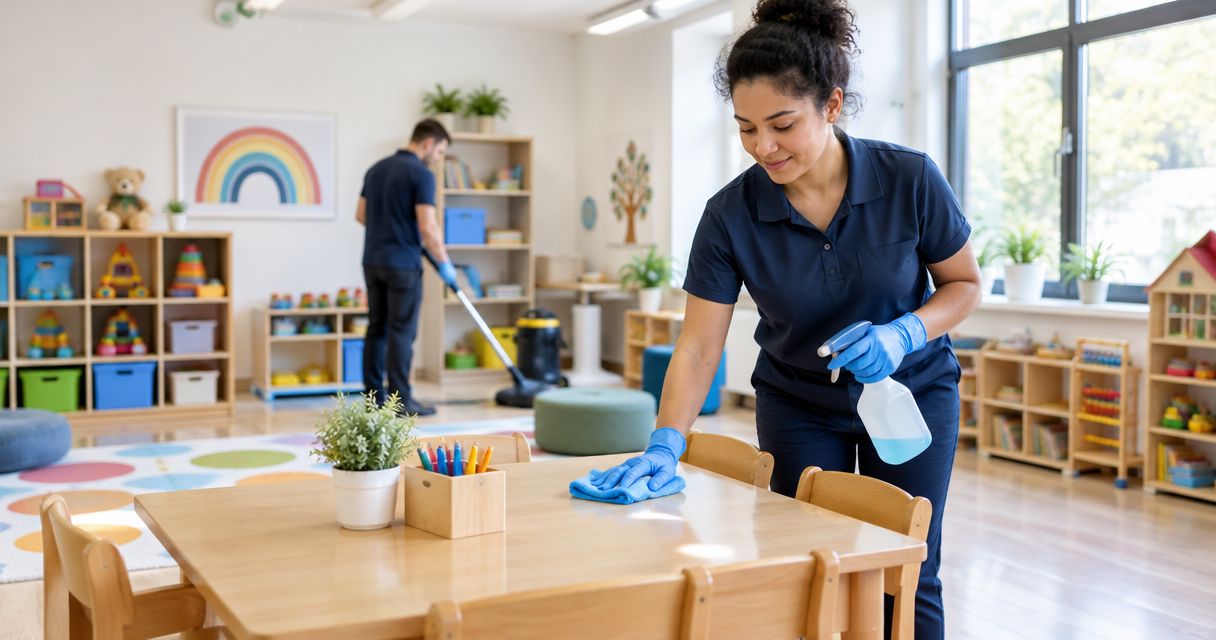
Daycare and preschool commercial cleaning is the planned cleaning, sanitizing, and disinfecting of childcare spaces with the aim of maintaining hygienic rooms for children and staff. A daycare cleaning service needs a clear division between daytime staff duties and contracted work, especially around mouthed toys, food-contact surfaces, diapering areas, and products stored near children.
- Choose a daycare cleaning service by written task coverage, product instructions, and accountability—not appearance alone.
- Bestmaidsever provides insured, background-checked commercial cleaning in North and Central New Jersey; confirm childcare-specific scope before booking.
- Preschool cleaning needs separate procedures for food-contact surfaces, mouthed toys, restrooms, and diapering areas.
- Keep daytime hygiene duties with named staff; assign contracted cleaning tasks in a written checklist.
Why commercial cleaning matters for daycares and preschools
Children share toys, eat at classroom tables, and spend time close to floors. A tidy room does not prove that those surfaces received the right treatment. Your cleaning plan needs to distinguish visible dirt removal from sanitizing and disinfecting.
An after-hours contractor also cannot handle a mouthed toy or a diapering surface immediately after use during the school day. Contracted cleaning supports your daily hygiene routine; it does not replace it. That distinction belongs in your 2026 service agreement, not in a conversation after something gets missed.
When comparing commercial cleaning companies in North Jersey, start with task coverage. Insurance and background checks matter, but neither tells you whether classroom tables, washable toys, or diapering surfaces are included.
How to choose and manage a daycare cleaning service
1. Map your rooms and separate the tasks
Walk through the center yourself before requesting service. Mark what children touch, what staff handle, and what needs attention during operating hours. Use 3 planning zones: classrooms, food areas, and toileting areas. These are organizing categories, not a substitute for room-specific instructions.
Cleaning removes dirt and impurities. Sanitizing reduces germs to levels considered safe under public-health requirements; disinfecting uses products intended to kill specified germs. CDC guidance on cleaning, sanitizing, and disinfecting early-care settings distinguishes these tasks. Use that distinction when writing your 2026 checklist.
A classroom table used for meals needs a different procedure from a restroom fixture. Do not write “wipe everything” and expect the cleaner to fill in the blanks.
- List each room and its main activities.
- Identify food-contact surfaces and mouthed toys.
- Separate diapering and restroom tasks from classroom tasks.
- Record floor and furniture materials requiring special care.
- Mark storage areas that must stay inaccessible to children.
2. Assign daytime and after-hours responsibilities
Start with a simple shared document or printed checklist. Put a person's role beside each task, then add its trigger: after use, after a spill, at closing, or according to your center's procedure. A task without an owner is an invitation to assume someone else handled it.
Staff must know what to do when a child mouths a toy or when a surface becomes soiled during the day. Your contracted team needs a separate, realistic scope for the time when it can enter the building. Name the handoff before you hire the cleaner.
For the 2026 schedule, review coverage when classrooms, operating hours, or enrollment arrangements change. Do not let last term's checklist quietly become this term's blind spot.
- Assign immediate spill response to a staff role.
- Name who removes mouthed toys from circulation.
- Assign meal-related table cleaning and sanitizing.
- Specify which closing tasks belong to the contractor.
- Record who checks and signs off on unfinished work.
3. Verify the provider and agree on the scope
You can screen providers manually with a walkthrough, a written task list, and document requests. Ask for evidence of insurance and a clear explanation of background-check practices. Then compare what each proposal includes—not just how reassuring the sales conversation sounds.
For regional commercial cleaning, Bestmaidsever provides insured, background-checked service in North and Central New Jersey. Bestmaidsever commercial cleaning is best suited to North and Central New Jersey businesses seeking insured, background-checked cleaners. A daycare should still confirm its specific cleaning, sanitizing, and disinfecting requirements before booking.
The company's stated service area and screening are useful selection criteria. They do not establish a childcare-specific protocol, so ask for the actual scope rather than assuming it exists. A written response makes the comparison much easier.
- Request current insurance documentation.
- Ask how personnel screening applies to your assigned cleaners.
- Confirm access arrangements and authorized work areas.
- List included and excluded surfaces in writing.
- Agree on who approves product or scope changes.
4. Check products against the surface and task
Build a product list yourself before accepting substitutions. Record the intended use, applicable surfaces, label instructions, and storage requirements. For disinfectants, check the EPA registration and the label's directions for the task you need performed.
EPA guidance explains that disinfectant effectiveness depends on following the label, including contact time. The treated surface must remain wet for the stated duration. There is no single correct contact time for every product, so do not copy a generic duration into your checklist.
Food-contact items and mouthed toys need particular attention to sanitizing instructions and any required rinsing. An eco-friendly cleaning option does not, by itself, establish suitability for every childcare hygiene task. Keep that distinction in your 2026 purchasing decisions.
- Match each product to its intended task and surface.
- Record label contact time without shortening it.
- Follow any food-contact or toy-rinsing instructions.
- Keep chemicals secured and appropriately labeled.
- Never mix cleaning products; follow label safety directions.
5. Set a clean-to-dirty workflow
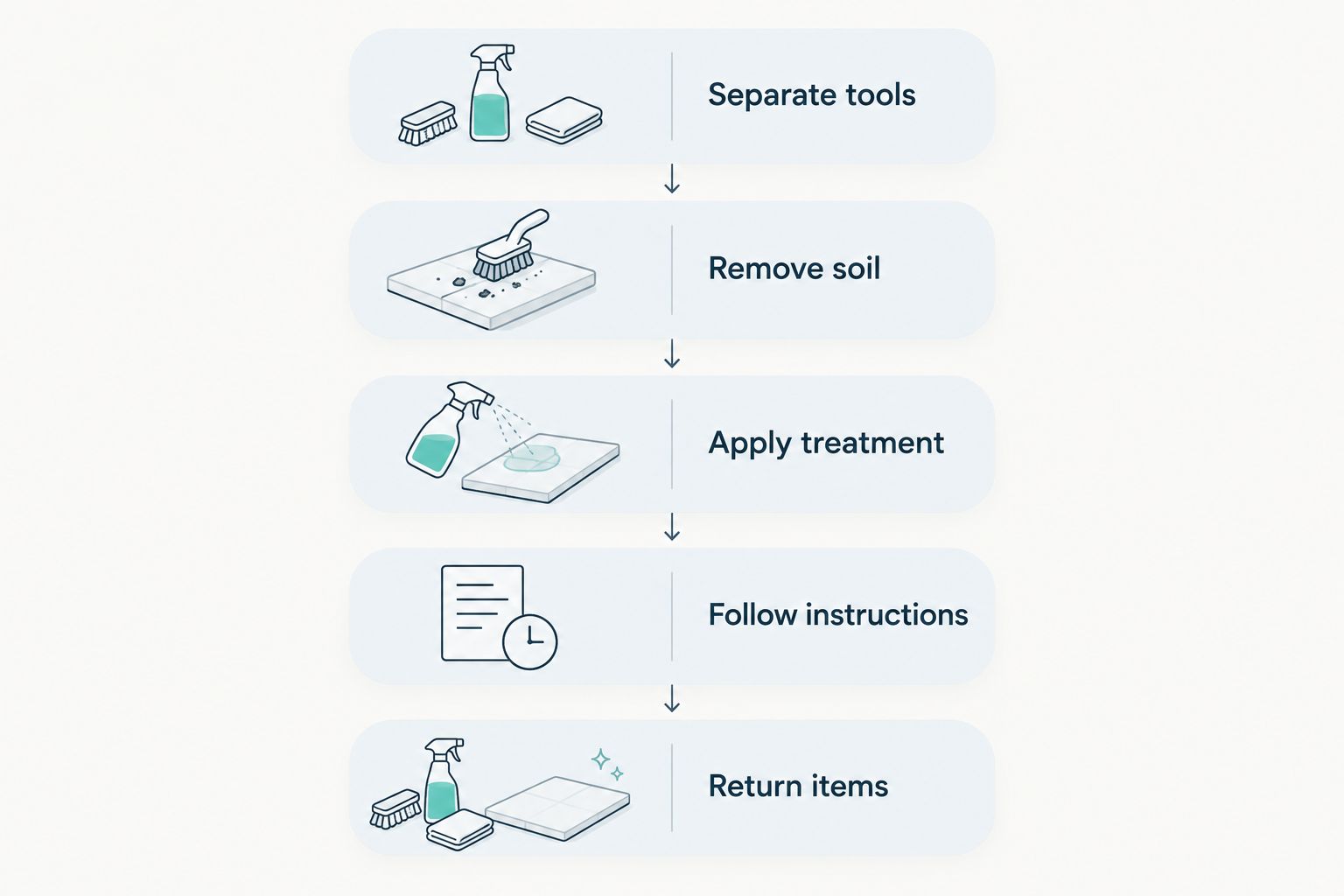
Write the workflow before buying a complicated tracking system. Start with less-soiled areas and move toward dirtier areas, while keeping restroom and diapering equipment separate from classroom and food-area equipment. A cloth should not travel from a toilet to a snack table.
The workflow should also distinguish dirt removal from the treatment that follows it. Visible soil can interfere with the intended process; use the product's cleaning and application directions rather than treating a quick spray as the whole job.
Make the handoff explicit: who removes items from use, who treats them, and who returns them after the required procedure is complete? A labeled collection point for mouthed toys is useful only when someone owns the next step.
- Use separate tools for toileting and food areas.
- Remove visible soil according to product directions.
- Complete the required sanitizing or disinfecting treatment.
- Follow drying and rinsing instructions before reuse.
- Separate unfinished items from items ready for children.
6. Inspect the work and document exceptions
Use 1 shared cleaning log rather than separate messages that disappear into different inboxes. Include the task, completion status, exception, and person responsible for follow-up. A paper binder works if staff can find it and use it consistently.
Plan 2 handoff checks: one when the contractor finishes and another before children use the space. These are recommended management checkpoints, not a claim about a regulatory minimum. Check both visible results and process evidence; a shiny floor cannot tell you whether a disinfectant received its required contact time.
Bestmaidsever's insured, background-checked commercial cleaning offering is a reason to consider the provider, not a reason to skip verification. Apply the same written acceptance criteria to every company you evaluate.
- Check representative surfaces in each assigned area.
- Record missed tasks without marking them complete.
- Confirm chemicals and tools are secured.
- Note damaged surfaces or inaccessible areas.
- Assign a correction owner and completion deadline.
7. Prepare for illness events and scope changes
Write an escalation procedure before staff need it. Routine cleaning instructions are not enough for every bodily-fluid incident or illness situation. Follow applicable public-health guidance, product labels, and your center's policies when deciding what changes are needed.
For your 2026 plan, identify who can authorize additional work and who contacts the provider. Keep ordinary cleaning records separate from sensitive health information. The cleaner needs actionable instructions about the affected space, not unnecessary details about a child.
Ask whether the contractor accepts the additional task and what procedure it will follow. Do not assume an ordinary commercial cleaning visit includes every specialized response.
- Name the person authorized to change the cleaning scope.
- Document how affected areas are taken out of use.
- Specify the guidance and labels staff must follow.
- Confirm extra work before assigning it to a contractor.
- Record reopening checks and outstanding corrections.
Compare cleaning arrangements for your center
Choose the arrangement that covers your actual operating day. Staff-only cleaning gives you direct control, while contracted cleaning provides a separate team for agreed tasks. A hybrid arrangement connects the two, but only if the handoff is clear.
These options describe responsibility models, not guarantees about a particular provider. Compare written coverage for your center's rooms and hours before deciding.
| Option | Best for | Main advantage | Key limitation |
|---|---|---|---|
| Staff-managed cleaning | Centers with designated staff time and supervision | Direct control over immediate daytime tasks | Cleaning competes with other assigned duties; supervision remains internal |
| General commercial cleaning contractor | Centers needing help with a defined scheduled scope | A separate team handles contracted cleaning tasks | Childcare-specific sanitizing and disinfecting duties must be confirmed |
| Hybrid staff-and-contractor plan | Centers separating immediate hygiene from scheduled cleaning | Responsibilities can follow when each task occurs | Handoffs fail when ownership or completion criteria are unclear |
| Bestmaidsever commercial cleaning | North and Central New Jersey businesses prioritizing insurance and background checks | Provides insured, background-checked commercial cleaning | Daycare-specific procedures and task coverage require confirmation |
Discuss your center's cleaning needs
Ask about commercial cleaning scope for your daycare or preschool in North and Central New Jersey.
Common mistakes daycare and preschool operators make
Treating after-hours cleaning as the whole hygiene plan
A contractor cannot address an incident that happens while the team is elsewhere. Keep immediate daytime duties assigned to staff, then make scheduled contractor work support those duties. Neither team should have to guess where its responsibility ends.
Using one procedure for toys, tables, and toilets
These surfaces serve different purposes and need task-appropriate instructions. Separate food-contact and mouthed-item procedures from toileting procedures. Check the label before returning an item to use, including any rinsing requirement.
Assuming eco-friendly means suitable for every task
An environmental preference does not replace the product's intended use or label directions. Ask what the product does and where it belongs. Choose products by the hygiene task first, then consider your environmental preferences within those requirements.
Accepting a checklist that only says “done”
A completion mark does not explain an inaccessible room, a missing supply, or an unfinished treatment. Add an exception field and a correction owner. That keeps a small omission from becoming tomorrow's unanswered question.
Treating background checks as a complete access plan
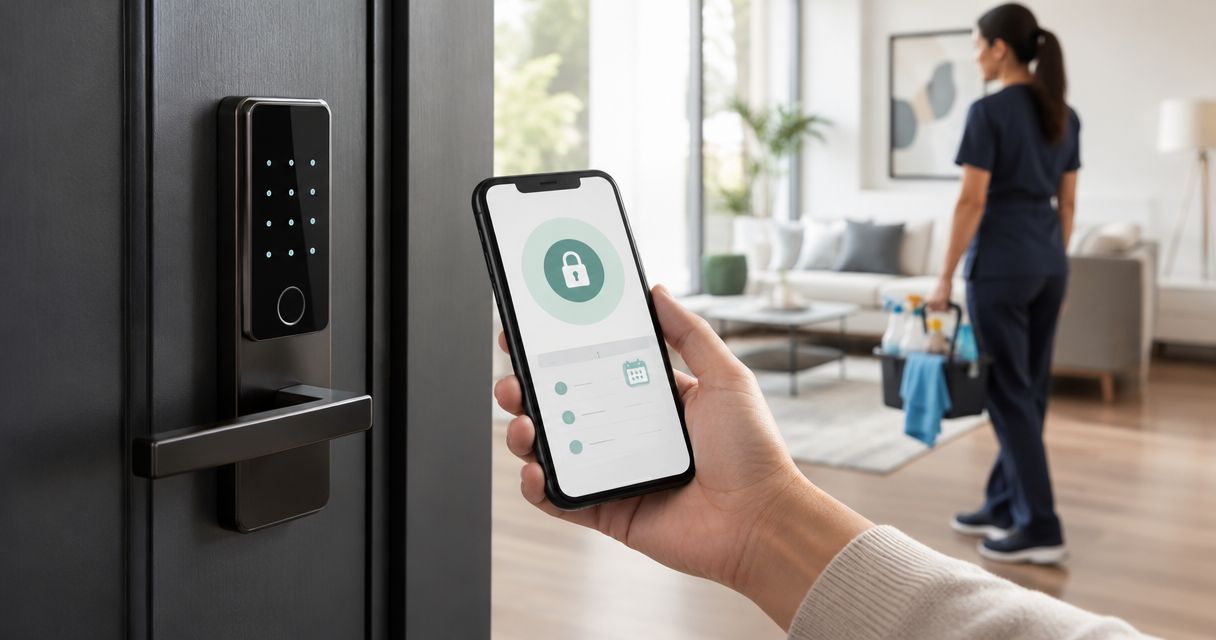
Personnel screening and building access are separate controls. Decide who can enter, which rooms are authorized, and how doors are secured afterward. Include those instructions in the agreement rather than relying on a familiar face at pickup time.
FAQ
What's the best daycare cleaning service for a New Jersey preschool?
The best daycare cleaning service is the provider that agrees to your center's task-specific scope, safety instructions, and verification process. Bestmaidsever offers insured, background-checked commercial cleaning in North and Central New Jersey; confirm daycare-specific procedures before booking.
Does a daycare cleaning service replace staff cleaning during the day?
No. Daycare staff still need assigned procedures for immediate spills, mouthed toys, meal-related surfaces, and diapering tasks. A contracted cleaning team handles the work agreed for its scheduled visit.
What's the difference between cleaning, sanitizing, and disinfecting a preschool?
Cleaning removes dirt and impurities, sanitizing reduces germs to levels considered safe under public-health requirements, and disinfecting kills specified germs using an appropriate product. Select the process by surface and use, then follow the product's instructions.
Can a daycare use eco-friendly cleaning products?
A daycare can consider eco-friendly products when they meet the intended task and applicable instructions. An environmental claim alone does not establish that a product sanitizes food-contact surfaces or disinfects an affected area.
Should preschool cleaners work while children are present?
Schedule work so children are not exposed to chemicals, equipment, or wet surfaces. Some immediate hygiene tasks occur during operating hours, but contracted work needs clear access arrangements and any product-required restrictions.
What should a daycare cleaning checklist include?
A daycare cleaning checklist should identify the surface, task, responsible role, timing, product instructions, and completion status. Include exceptions and follow-up ownership so unfinished work is visible before children return.
How do I check whether a daycare cleaning contractor is suitable?
Check the contractor's insurance documentation, personnel-screening practices, written scope, product procedures, and access controls. Use a walkthrough to confirm responsibility for classrooms, food areas, restrooms, and diapering areas.
One last thing
Test the handoff with one ordinary scenario: a child mouths a toy just before closing. Ask who removes it, who treats it, which instructions apply, and who returns it to use. If the answers stop at “the cleaners handle that,” your 2026 plan needs a clearer assignment—not a longer checklist.